
Markets and Technologies
The latest information on all things related to the paint and coatings industry.

- All
- Adhesives and Sealants
- Aerospace Coatings
- Architectural Coatings
- Automotive Coatings
- Automotive Refinish
- Business Operation
- Color Trends & Forecast
- Construction Chemicals
- Corrosion Control
- Green Coatings
- Industrial Coatings
- Laboratory Equipment
- Marine Coatings
- Market Trends & Forecast
- Powder Coatings
- Production Equipment
- Radcure Coatings
- Special Purpose Coatings
- Wood Coatings
-
Architectural Coatings | Breaking News | Paint & Coatings Manufacturer News

PPG Completes COLORFUL COMMUNITIES Project in Poland
Company volunteers renovate a children’s rehabilitation facility in Jaworze.04.25.24
-
Architectural Coatings | Breaking News | Product news
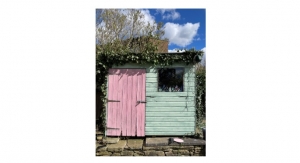
British Weather Doesn't Dampen Spirit for HMG’s New Garden Paint
The new HydroPro Garden Paint is ideal as a fence and shed paint but can also be used on terracotta pots and concrete.04.24.24
-
Construction Chemicals | Production Equipment

-
Architectural Coatings | Breaking News | Product news
Diamond Vogel Introduces New Door, Trim, and Cabinet Enamel
Artistry is the next advancement in Diamond Vogel’s water-based coating solutions for doors, trim, and cabinets.04.19.24
-
Automotive Coatings | Breaking News | Paint & Coatings Manufacturer News
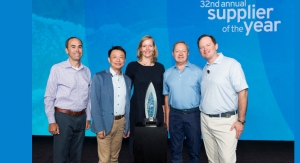
General Motors Names BASF a 2023 Supplier of the Year
This year's win marks the 17th time that BASF has been honored.04.18.24
-
Industrial Coatings | Paint & Coatings Manufacturer News

New Oil Project Revives East Africa’s Pipeline Coatings Market
In March 2024, EACOP Ltd. unveiled a new coating factory in Tanzania to support thermal insulation and coatings of pipes for the project.Shem Oriere, Africa Correspondent 04.17.24
-
Architectural Coatings | Breaking News | Color Trends & Forecast | Paint & Coatings Manufacturer News
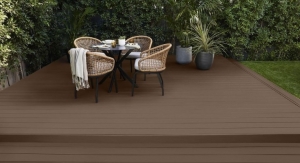
Behr Paint Names ‘Tugboat’ 2024 Exterior Stain Color of the Year
The brownish gray wood stain anchors the new collection of expertly curated exterior paint and stain colors.04.17.24
-
Automotive Refinish | Breaking News | Market Reports

Automotive Refinish Coatings Market Predicted to Grow by $2428.29 million from 2023-2027
The global automotive refinish coatings market size is estimated to grow by $2428.29 million from 2023 to 2027, according to Technavio.04.17.24
-
Automotive Coatings | Breaking News | Paint & Coatings Manufacturer News
Axalta Named a 2023 General Motors Supplier of the Year
Axalta Coating Systems was recognized by General Motors as a top global supplier of 2023 during its annual Supplier of the Year recognition event.04.16.24
-
Architectural Coatings | Automotive Coatings | Breaking News | Industrial Coatings | Marine Coatings | Market Reports | Powder Coatings | Radcure Coatings | Special Purpose Coatings | Wood Coatings
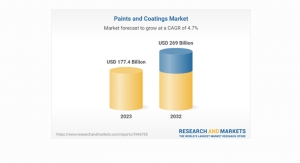
ResearchandMarkets: Global Paints and Coatings Market Analysis and Outlook 2024-2032
The global paints and coatings market reached $177.4 billion in 2023.04.16.24
-
Architectural Coatings | Paint & Coatings Manufacturer News

AkzoNobel Helps Keep South Asia Cool with Heat Reflective Paint
Keep Cool Technology helps reduce the need for air conditioning in the region.Online Exclusives David Savastano, Contributing Editor 04.15.24
-
Breaking News | Paint & Coatings Manufacturer News | Special Purpose Coatings
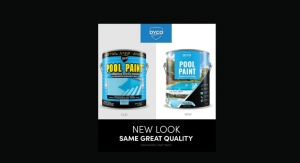
ICP's DYCO Launches Refreshed Brand and Website
DYCO Beautifying Surfaces’ new brand and website help customers more easily select the right products for their home beautification project.04.15.24
-
Adhesives and Sealants | Breaking News | Financial News

H.B. Fuller Increases Quarterly Dividend by 8.5 Percent
This represents an 8.5% increase over the prior quarterly dividend and marks the 55th consecutive year in which the Company has increased its dividend.04.15.24
-
Architectural Coatings | Color Trends & Forecast

BEHR Paint Partner with Online 3D Platform, Mattoboard
Interior designers can now find 1,600+ BEHR Paint swatches online and see how they pair with the library of materials, textures and finishes available.Online Exclusives Kerry Pianoforte, Editor 04.15.24
-
Breaking News | Industrial Coatings | Product news
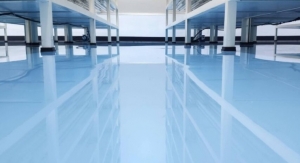
Evonik Adds Ancamine 2880 to Curing Agent Portfolio
Offers fast cure speed and strong carbamation, water-spotting and chemical resistance for topcoat flooring applications.04.15.24
-
Breaking News | Industrial Coatings | Product news
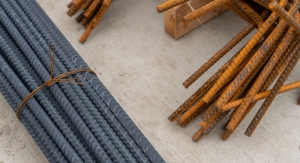
Sherwin-Williams Launches Sher-Bar TEC – The First Damage-Tolerant Textured Epoxy Coating for Rebar
Sher-Bar TEC for rebar increases corrosion resistance and bond strength with concrete – enhancing infrastructure longevity, safety and sustainability.04.12.24
-
Architectural Coatings | Breaking News | Product news
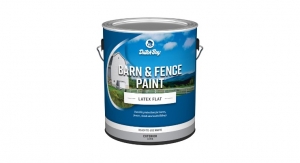
Dutch Boy Paints Introduces Exclusive Line for Menards
Launches of brand-new line of Barn & Fence paint and Aluminum paint.04.12.24
-
Automotive Refinish | Paint & Coatings Manufacturer News
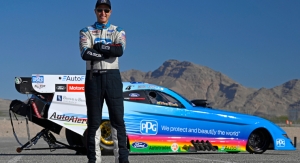
PPG, Tasca Racing Partner on PPG Nitro Funny Car
Partnership ensures PPG's paints meet Tasca Racing's needs both on and off the track.Online Exclusives David Savastano, Contributing Editor 04.11.24
-
Breaking News | Paint & Coatings Manufacturer News | Powder Coatings
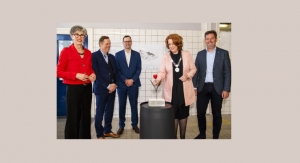
AkzoNobel Invests in Dutch Research Labs
Two new research labs are being built by AkzoNobel at its Sassenheim site in the Netherlands.04.11.24
-
Architectural Coatings | Breaking News | Paint & Coatings Manufacturer News

PPG to Support WorldSkills Lyon 2024 Vocational Skills Competition
Largest international event for young skilled professionals04.10.24